Sow Today, Reap tomorrow
Building food power is long-term work, but action starts now. This page focuses on first steps, policy recommendations, and a timeline that moves from immediate pilots to permanent community-owned infrastructure.
Building Power, One Step at a Time
First Steps & Policy Recommendations
Funding: The First Commitment
Emphasize the need for grants and external support to cover supplies, taxes, and permits for community gardens and food projects.
List key funders and programs (USDA NIFA People’s Garden, Community Food Projects grants, Community Foundation of Greater Memphis, local initiatives like GrowMemphis, etc.).
Food Production & the Black Farmers Brand
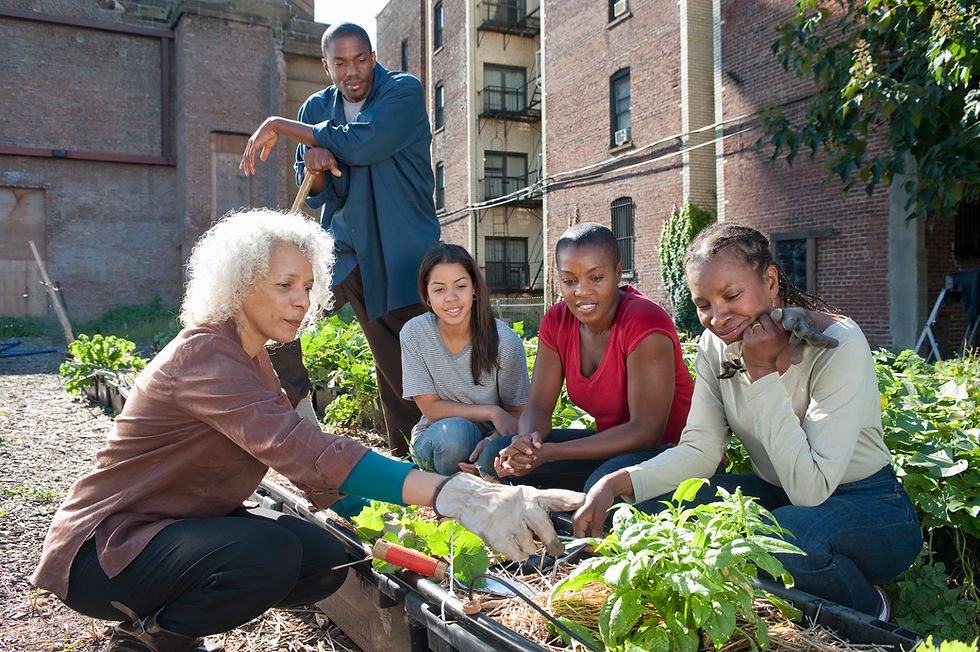
Organize 10+ sites (churches, resident groups, farms) to convert land into community gardens focused on feeding neighbors, not profit.
Build the Black Farmers Brand to help regional Black farmers place products in major stores and local outlets, using wholesale sales to fund future community-owned groceries.
Soil Quality & Safety
Highlight the need for soil testing for toxins like lead.
Encourage use of university labs and raised beds where needed to keep residents safe.
Security & Shared Stewardship
Address security without exclusion: involve neighbors early to build ownership rather than relying solely on fences and locks.
Note that gardens can access insurance and security guidance via groups like the American Community Gardening Association.
-
Form a Food Power Coalition
-
Launch a pilot CSA
-
Host weekly farmers markets
-
Create a Black Farmers Cooperative
-
Expand community gardens and add new church partners
Immediate Actions (0-12 months)
-
Grow the CSA and cooperative based on what works
-
Add mobile grocers to complement markets
-
Conduct a cooperative grocery feasibility study
-
Develop food processing capacity to support local farmers
-
Launch urban agriculture workforce training
Medium Term Actions (1-3 years)

-
Open a community cooperative grocery store
-
Establish neighborhood food hubs and move toward a “garden on every block”
-
Build connections with other Memphis neighborhoods
-
Create a regional network of community-controlled food systems
Long Term Actions (3-10 years)
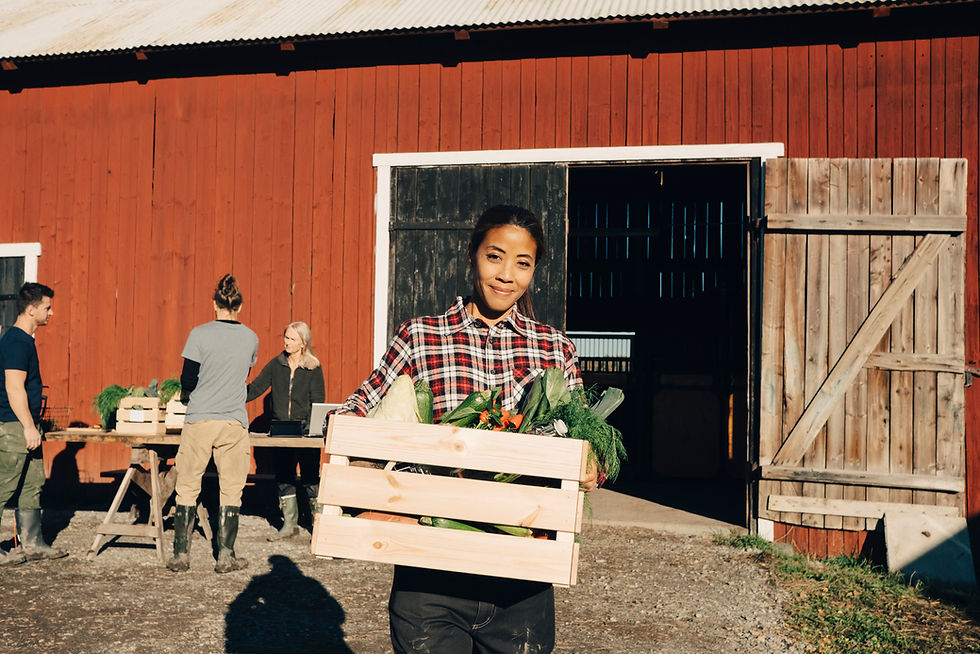
“You can’t plant a garden without planting trust first.”
Willie McDonald Jr., Farmer and Organizer
Policy and Institutional Policy Recommendations
City of Memphis
The City must provide the "Big Money Influx" and policy support required for true community ownership. The Mayor's office and City Council are encouraged to commit funds as a direct equity investment in the land and building for the Community Cooperative Grocery Store. This must be coupled with the establishment of 100% property tax abatement and a subsidized ground lease for the Co-op entity to ensure affordability and reduce operational overhead. Furthermore, the City must streamline permitting and zoning for urban agriculture to establish the Land Access Framework for community gardens within six months, leveraging the Research 4 Action (R4A) data. The City must also mandate MATA (Memphis Area Transit Authority) to prioritize frequent bus service to food access points until the local co-op is operational.
Shelby County
The County's role centers on health, land, and governance. The Shelby County Health Department must conduct proactive, subsidized soil testing on high priority parcels near industrial histories (e.g., Velsicol) to ensure safety before gardens are established. The County must also commission and fund a Memphis Food Policy Council to ensure community governance and continuity of food systems policy. To align services, the County must use its resources to co-locate food assistance with health screenings and workforce training at community hubs.
State of Tennessee
The State must enable broad financial and regulatory support. The legislature must be lobbied to create a dedicated Tennessee Healthy Food Financing Initiative (HFFI) to provide specialized grants and low interest capital specifically for non profit and cooperative grocery development in food apartheid areas. Furthermore, the State should fund a universal SNAP incentive program (e.g., Double Up Food Bucks) to match SNAP dollars spent on Tennessee-grown fresh produce, boosting both affordability and local farm revenue. Enabling legislation is also required to simplify and incentivize the transfer of publicly held or church-owned land into a Community Land Trust for permanent food production use.